 If you have young children, chances are the Maclaren scandal would have been brought to your attention recently. No, we're not talking about fast cars here, but furious parents outraged at reports of Maclaren strollers being responsible for fingertip laceration or amputation in the USA. In 8 cases over the past two years (and 15 such reported incidents over a 10-year period), children's fingertips were lacerated or amputated when they got caught in the pushchairs' hinges. The 42-year-old British brand's response has been revealing.
Maclaren had planned to announce a product recall on Tuesday Nov 10th, but the news leaked over the weekend of Nov 7th-8th, so concerned parents jammed Maclaren's consumer hotline -- which was not set up to take those calls -- on the Monday, effectively short-circuiting any hope  Maclaren might have harboured to conduct a low-key, orderly recall. The company scrambled to issue their recall announcement by the end of that day, affecting about 1 million strollers that had been sold nationwide over the past 10 years.
Significantly, the company chose not to recall affected strollers in its home base of Britain -- perhaps because there have been fewer reported cases of injury across the pond. (The company's website lists 53 markets in which it does business -- should the rest of us take comfort in Maclaren's tacit message: that our kids are less reckless and we are less litigious than the Americans?) Instead, it merely issued safety warnings -- only to amend this policy a week later to offer hinge covers to any customer who requested them, after being inundated with protests closer to home.
What can we learn from this sorry sequence of events? Can the brand's reputation for quality survive this very public smear?
First, be prepared. Conduct disaster planning and run the drills annually at the very least. We can hope for the best -- but should plan for the worst.
Second, don't discriminate. Maclaren inexplicably seemed to be treating American children's fingertips as more precious than those of children in the UK and other countries. It failed to remember that in the Internet Age, a local problem can easily become a global one.
Third, remember that some things just won't stay quiet. In a TIME magazine article on the unfolding saga (http://news.yahoo.com/s/time/20091110/us_time/08599193700300), Pete Blackshaw, a brand consultant for Nielsen Online, states that "anything relative to child safety tends to be off-the-charts viral". New mothers are more likely to use social media and start blogs than other consumer segments. The search term "Maclaren fingertip amputation" has pulled more than 5,000 results on Google.
Other brands have misbehaved -- to their detriment -- in the past. In 2000, Ford Explorers and the Firestone tyres mounted on them came under fire for hundreds of deaths and injuries caused by tyre blowouts while on the road. Ford and Firestone executives bickered publicly while a wave of negative publicity mounted against both brands on the Web. Ford finally ended up recalling 13 million tyres at a cost of US$3 billion.
In 2004 an Internet posting reported that Kryptonite bicycle locks -- a long-standing market leader -- could be opened with a Bic ballpoint pen. Other postings quickly surfaced with similar tales. The company totally ignored the blogosphere before issuing a statement after five interminable days -- stubbornly contending that Kryptonite locks were completely theft-deterrent. The final outcome: A recall of the locks which cost the company US$10 million (nearly half its annual revenue).
Thankfully, some brands are better-behaved. In 2007 a freak snowstorm hit New York's JFK airport on a winter's day. Over 1,000 flights were cancelled. JetBlue, the fledgling entrepreneurial airline, suffered a startling breakdown, and took nearly a week to get its services back to normal. The difference here? CEO David Neeleman handled the crisis with authenticity and humility. He accepted responsibility for bad decisions and overwhelmed departments. He said he'd fix the problems and promised refunds and credits for angry passengers. He apologized repeatedly on his company's website, in his blog, on TV and in print. Despite the collosal Valentine's Day meltdown, a consumer poll conducted a month later revealed that 43% preferred JetBlue, the most for any airline.
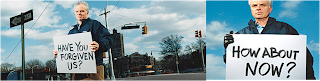
A brand's story and mythology are fundamental building-blocks of how the brand is built over time. Brand stories help to articulate the persona and identity of the brand, and define the role and behaviour you can expect from it. Storytelling conceptualizes a strategic message in a far more emotive and engaging way than a press release could ever hope to accomplish. Maclaren's website speaks of the renowned features of all Maclaren strollers (or "buggys" as the Brits would say): from "the lightweight frame, durable fabric and one-hand fold, to the above-industry standard safety features".... but its current misadventures are shredding that hard-earned credibility. Negative stories can't always be avoided. However, it is not what happens to you, but how you react to it that matters.
David Neeleman and JetBlue understand that intimately. It remains to be seen if Maclaren will recover sufficiently to make some belatedly wise moves as this saga is played to its conclusion. All may not be forgotten ... but perhaps it can be forgiven.
 The world's leading car-maker Toyota continues to reel from the largest product recall in its history. The company had already shed US$31 billion in market value since late January when it stopped production and sales of eight vehicle models to fix problems with sticky accelerator pedals and loose floor mats. Yesterday its pain intensifed with the recall of 437,000 hybrid cars including the Prius, the company's green 'halo car' for a new era.
  Volkswagen, on the other hand, has written to its dealers requesting them not to employ "predatory price cuts" to lure Toyota customers in the US away from the brand. The Chief Operating Officer of VW's North American unit stated that Toyota "faces unfortunate circumstances in the marketplace. We will remain an aggressive competitor without targeting any one manufacturer."


 Posts
Posts


